
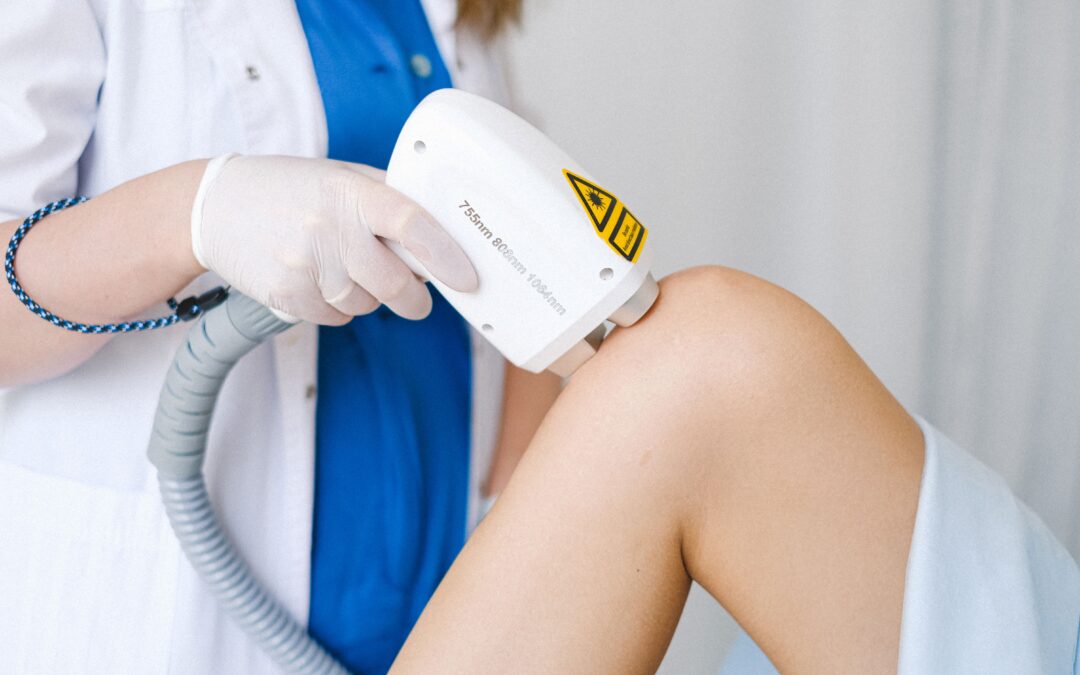
Joint pain can make everyday activities more challenging, whether it’s climbing stairs, walking the dog, exercising, or simply getting comfortable at the end of the day. As more people look for non-surgical, non-drug approaches to managing discomfort, laser therapy has become an increasingly popular treatment option.
Low-level laser therapy, often called cold laser therapy, is used alongside other conservative treatments to help address musculoskeletal pain and support the body’s natural healing process. At Goss Chiropractic, laser therapy is one of several treatment options available, alongside chiropractic care, shockwave therapy, soft tissue therapies, customized rehabilitation programs, and acupuncture Kitchener residents may consider.
What Is Low-Level Laser Therapy?
Low-level laser therapy (LLLT), or cold laser therapy, uses specific wavelengths of light that penetrate the body’s tissues. Unlike surgical lasers, this treatment does not generate heat or damage tissue.
According to Goss Chiropractic, laser therapy works by interacting with tissue to help reduce inflammation, decrease muscle tension, supply energy for tissue repair, and support the body’s healing process. Because it is non-invasive, many patients appreciate that treatments can be completed without surgery or lengthy recovery periods.
Why Joint Pain Often Requires More Than Rest
Joint pain isn’t always caused by a single injury. It may develop from repetitive movements, sports activities, everyday wear and tear, arthritis, tendon irritation, muscle imbalances, or previous injuries.
While temporary rest may ease symptoms, it doesn’t always address the factors contributing to ongoing discomfort. That’s why healthcare providers often recommend combining several conservative treatment approaches based on each patient’s condition.
Laser Therapy for Multiple Joint Conditions
Laser therapy may be used for conditions involving muscles, joints, tendons, and soft tissues, including:
- Knee osteoarthritis
- Hip osteoarthritis
- Tendinitis
- Rotator cuff injuries
- Shoulder bursitis
- Plantar fasciitis
- Carpal tunnel syndrome
- Low back pain and sciatica
- Tennis elbow and golfer’s elbow
Since many of these conditions share inflammation and soft tissue irritation, laser therapy may be considered as part of an individualized treatment approach.
Combining Treatments May Improve Overall Recovery
Every patient’s situation is different. Some people respond well to one treatment, while others benefit from combining multiple therapies.
For example, a treatment plan may include chiropractic adjustments to improve joint mobility, laser therapy to support tissue healing, home stretching and strengthening exercises, soft tissue therapies such as Active Release Technique (ART) or Trigenics, and acupuncture to complement musculoskeletal care when appropriate
When Should You Consider Professional Assessment?
Persistent joint pain shouldn’t simply be accepted as part of aging or an active lifestyle. Consider seeking an assessment if you experience:
- Joint pain lasting several weeks
- Pain that returns repeatedly
- Swelling or stiffness that limits movement
- Difficulty performing everyday activities
- Reduced mobility after an injury
A healthcare professional can evaluate the source of your symptoms and recommend appropriate conservative treatment options based on your condition.
Finding the Right Treatment Plan
There is no single solution for every type of joint pain. What works well for one person may not be the most appropriate option for another.
A thorough assessment helps determine whether laser therapy, chiropractic care, acupuncture, rehabilitation exercises, or a combination of therapies may be suitable. The goal is to create an individualized treatment plan that addresses your specific concerns while supporting movement, comfort, and long-term function.
When paired with chiropractic care, rehabilitation exercises, and other therapies as appropriate, laser therapy can play a valuable role in helping individuals manage musculoskeletal conditions and work toward improved mobility and daily function.
